
Sales Process
How to Structure a Long-Cycle B2B Funnel
Complex sales take more than luck. Map each funnel stage to forecast revenue and keep opportunities from slipping away.
By Roberto Monticelli Wydra, Founder & Industrial Marketing Strategist
Direct answer
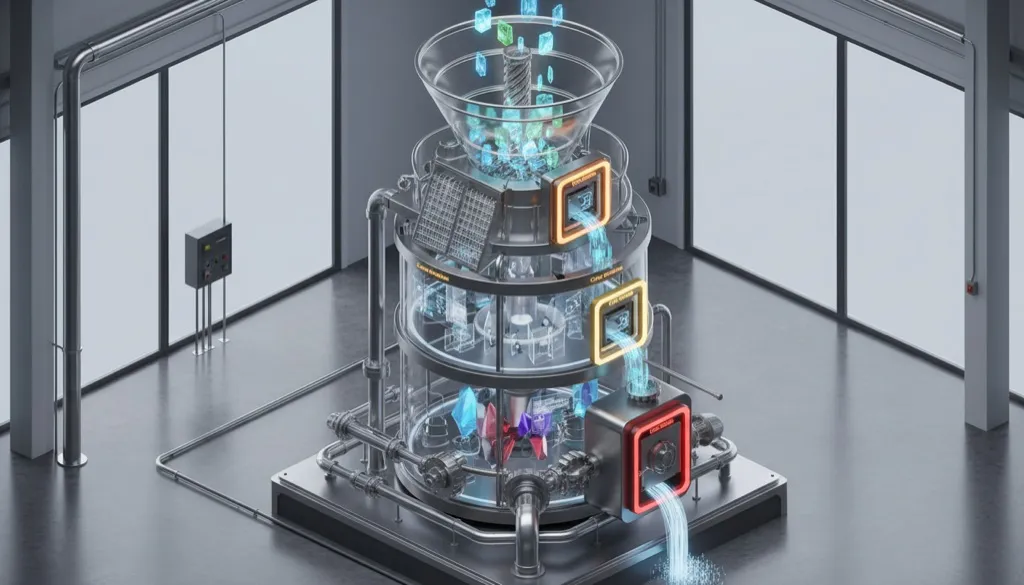
A B2B funnel for a long sales cycle is not a straight line. It is a process for validating progress from one stage to the next. Organize it into three broad phases: learning and discovery at the top, where the goal is to educate buyers about the problem; solution consideration in the middle, where technical proof and comparisons matter; and decision at the bottom, where the focus shifts to negotiation and access to decision-makers. Set clear exit criteria for every stage so an opportunity cannot advance before it is qualified.
Top of Funnel: Attract Buyers With the Technical Problem
At this stage, an engineer or buyer may not know your company exists. They are searching for something like “causes of gearbox failure.” When you provide a sound technical answer, you get on their shortlist as a credible source.
Middle of Funnel: Make the Technical Case
The buyer understands the problem and is comparing options, such as a planetary gearbox versus a worm gearbox. Comparative tables, ROI calculators, and clear datasheets can earn your solution technical preference. This is also the time to nurture the opportunity with case studies.
Bottom of Funnel: Make the Purchase Easier
The technical decision is made; now procurement and legal get involved. Keep standard contracts ready, make sure tax and compliance certificates are current, and prepare a polished proposal. At this stage, marketing equips the sales rep with what they need to get through the paperwork.
Quick questions
Is a B2B funnel different from a B2C funnel?
Yes. B2C decisions may be driven by emotion and take minutes. B2B decisions involve risk and reason, and the sales cycle can take months. “Buy now” tactics rarely fit.
What is a pipeline review?
It is a weekly meeting where sales and management review every open opportunity to see whether it is likely to close, has stalled, or is lost. It gives the team a view of expected revenue.
How many stages should our funnel have?
Keep it simple. One example is: 1. Lead and triage → 2. Discovery and meeting → 3. Proposal presented → 4. Negotiation → 5. Closed.
Where does the SDR fit?
The SDR handles triage and discovery, qualifying the pipeline so a senior sales rep (closer) can focus on proposals and negotiation.
How can we move opportunities through the funnel faster?
Answer common questions before the meeting. When buyers have already read your technical FAQs, they can arrive ready to make a decision.
Next step
Recommended service
If this topic is a priority, the best conversion path is Prebound Marketing.
See how Prebound Marketing worksDirect invitation
Is your pipeline clogged or leaking opportunities? Let’s map a smoother sales process. Talk with RudekWydra.